
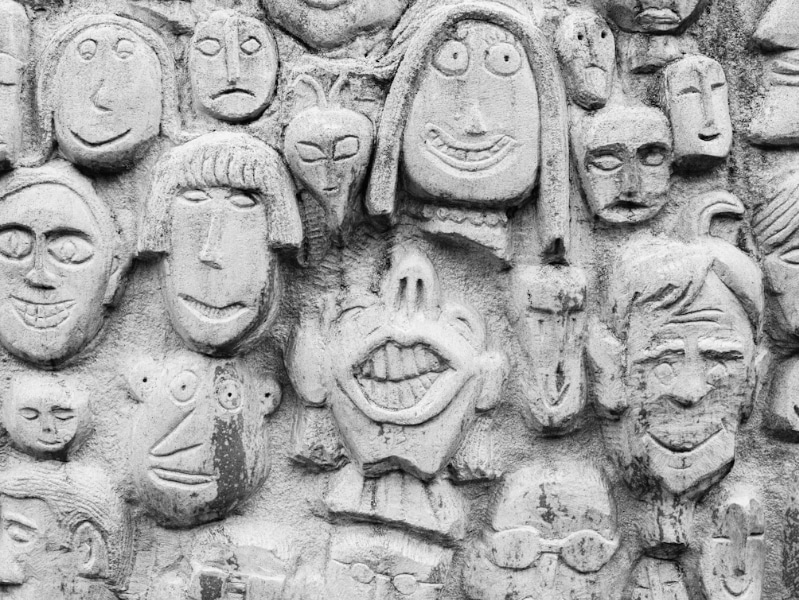
If someone is usually honest, people start seeing them as honest. If someone gets defensive in every tough conversation, that becomes part of how others read them too. One bad afternoon does not define a trait. A long pattern does.
This is why personality trait examples are so useful. They make the idea feel real. A loyal person answers the phone when things fall apart. A patient person does not snap the second life gets inconvenient. An impulsive person buys first and thinks later. You can see the pattern right away.
Labels help. They give language to patterns. But they do not explain everything. A warm friend may still get jealous. A confident student may still avoid emotional honesty. Someone who seems easygoing may fall apart under stress. This is why lists of trait examples are useful but limited. They describe patterns. They do not capture the whole person.
Why personality traits matter
Traits affect friendships, dating, school, work, and family life. A person can be smart and skilled, but personality still changes how it feels to be around them. That part is hard to fake for long.
Students run into this topic all the time in psychology and sociology classes. The reading can get dense. The deadlines can get brutal. Some even pay for a research paper when they fall behind and need help sorting through complicated material. That alone says a lot about how often this topic comes up.
Traits people usually value
Most people know what they like in others. Honesty. Warmth. Reliability, which matters more than people admit. These are the habits that make other people feel safer, calmer, or more comfortable.
A calm person lowers tension. A reliable person makes group work less painful. A kind person can change the whole mood of a bad day without trying too hard. Common examples include honesty, empathy, patience, humor, and dependability. None of these make someone perfect. They just make trust easier to build. And trust is practical. It shapes who people rely on, who they avoid, and who gets a second chance.
People relax around someone who listens well. They open up more around someone who does not turn every conversation into a competition. Good character has a social effect. It changes the room. This is something that research on what makes people happy consistently confirms: the quality of our relationships matters more than almost anything else, and personality traits are at the heart of that.
Traits that make life harder
Then there are patterns that strain relationships and wear people down over time. A rude person can make even small interactions feel heavy. A manipulative person can drain a whole group. A chronically defensive person can turn feedback into conflict in less than thirty seconds.
Some of these patterns are loud. Aggression is obvious. Others are quieter. Passive aggression or constant victim behavior can be harder to spot at first, but the harm accumulates just the same. Understanding how to deal with negative people often starts with recognizing these patterns clearly, both in others and in yourself.
What type A personality traits look like
Some traits cluster into familiar styles. Type A personality traits usually include urgency, competitiveness, ambition, impatience, and a strong need to stay productive. You can spot this type pretty fast. The person talks quickly, hates wasted time, overbooks their schedule, and then wonders why they feel stressed all week.
This style can be useful. A person with strong type A tendencies may do well in demanding classes or high-pressure jobs. They often push hard, finish tasks, and keep things moving. That drive can make them impressive. But the same intensity that fuels their output can also make it harder for them to slow down, rest, or feel satisfied, which is worth understanding if you recognize this pattern in yourself.
The psychological core and what stays stable
A similar concept to personality is the psychological core: the beliefs and emotional wiring that shape a person’s default reactions. This is the part that tends to feel most permanent.
The psychological core is not about temporary moods. It is about the inner structure that sticks around. A person may learn better coping skills, but the deeper tendency toward caution, sensitivity, or intensity often remains. These are the qualities that stay recognizable over time. They may soften. They may sharpen. They may show up differently depending on stress or age. But they usually remain visible in some form.
The curious kid often becomes a curious adult. The guarded teenager often becomes a guarded adult. The gentle person often stays gentle. Life adds layers, but it does not always rewrite the basics. This is why self-awareness matters so much: understanding your own core tendencies is the starting point for working with them rather than against them.
How context shapes behavior
People do not act the same way in every setting. Context matters enormously. Family background, culture, financial stress, trauma, school pressure, praise, failure, rejection, and the people someone spends time with every day all play a role. These personal factors help explain why the same trait can look different depending on the situation.
The many parts of a personality
A person can have a focused side, a playful side, a jealous side, a protective side, and a side that wants to disappear for two days after one awkward conversation. All of that can belong to the same person. None of it is fake.
This helps explain why people seem inconsistent. They are often not being dishonest. Different sides of them are active in different moments. The calm side may show up at work. The insecure side may take over at night. That is a normal part of being human, and understanding your own emotional patterns is one of the more valuable things you can do for your relationships and your wellbeing.
The bigger picture
Some writers use the phrase “7 traits of humanity” to describe qualities people tend to share on a broader level. The exact list changes, but the idea is familiar. Humans usually show curiosity, empathy, creativity, resilience, social bonding, moral judgment, and the need to make meaning out of life.
Personalities differ, but there are common drives underneath those differences. People want safety. People want connection. People want their choices to matter. That bigger layer makes personality interesting. It is personal, but never only personal.
Final thoughts
Understanding personality traits does not mean stuffing people into tiny boxes. It means noticing the patterns that repeat enough to matter. Some of those patterns build trust. Some create friction. Some rise from a deeper core and stay steady for years.
People are complex. They always will be.